My 2020 Year in Review

I wanted to write a year end review for the website to reflect on what I accomplished for the year. Yes, I made a lot of mazes, but I did more than that, expanding what I did and how I did it. This post might just be for me, but I am happy (smiley face maze upcoming below) to take you along on the journey. Enjoy.


Daily Mazes posted:

366 in 2020 vs. 365 in 2019

Well the number is somewhere near this. Some days I did post more than one to commemorate something happening in the news or to celebrate a holiday. Either way for the last 2 years I have posted a new maze each and every day. And this year, thanks to the leap year we got an extra one ! Yea us !


My Favorite Mazes from the year:

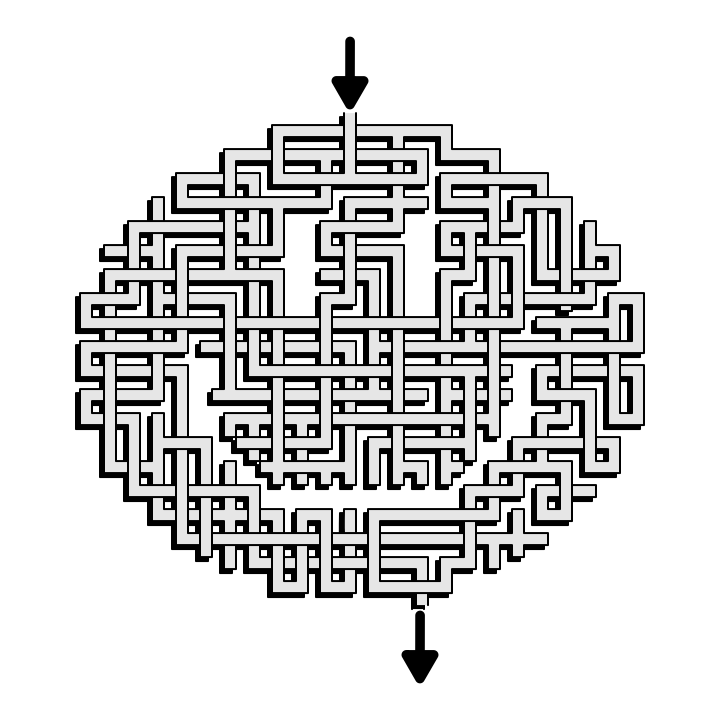
#6 Smiley Face Weaving Maze - From my Weaving Maze book available on Amazon. Free weaving mazes.

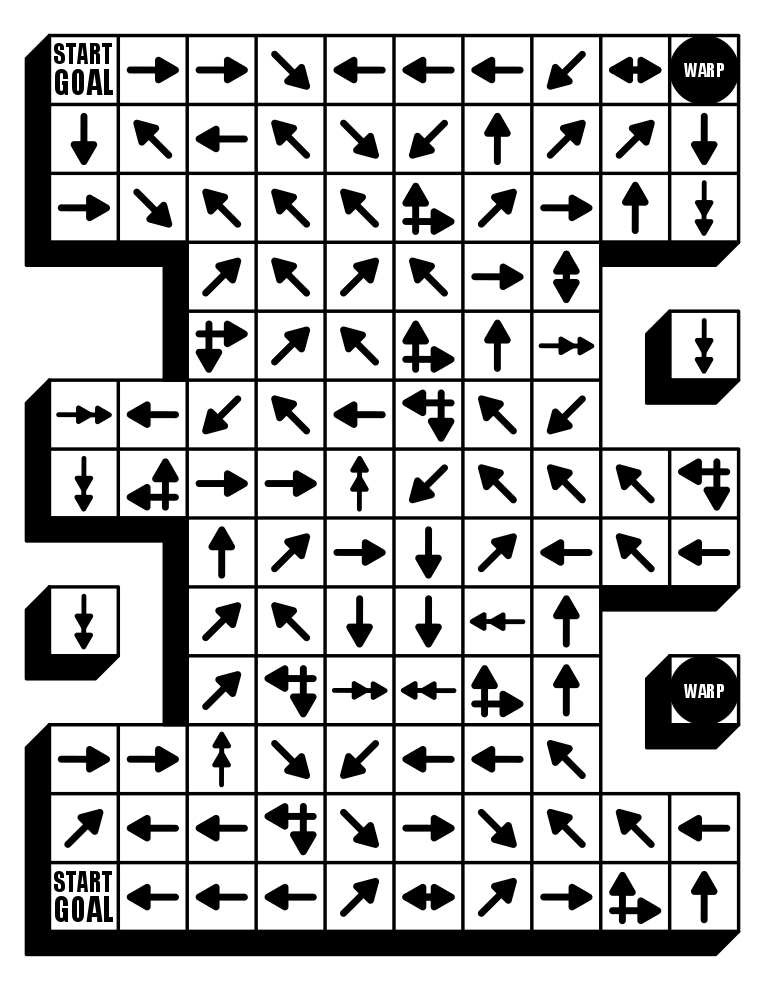
#5 “Kitchen Sink” Arrow Maze - From my Arrow Maze book available on Amazon. Free Arrow Mazes.

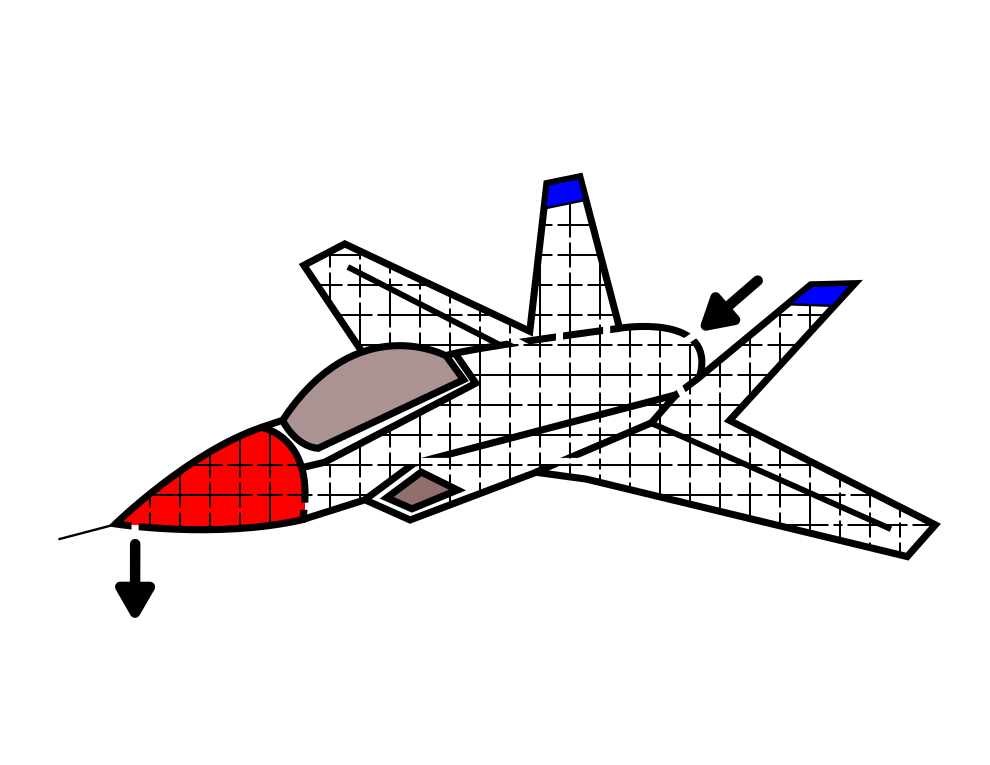
#4 Jet Fighter Maze - Find the vehicle mazes on the site

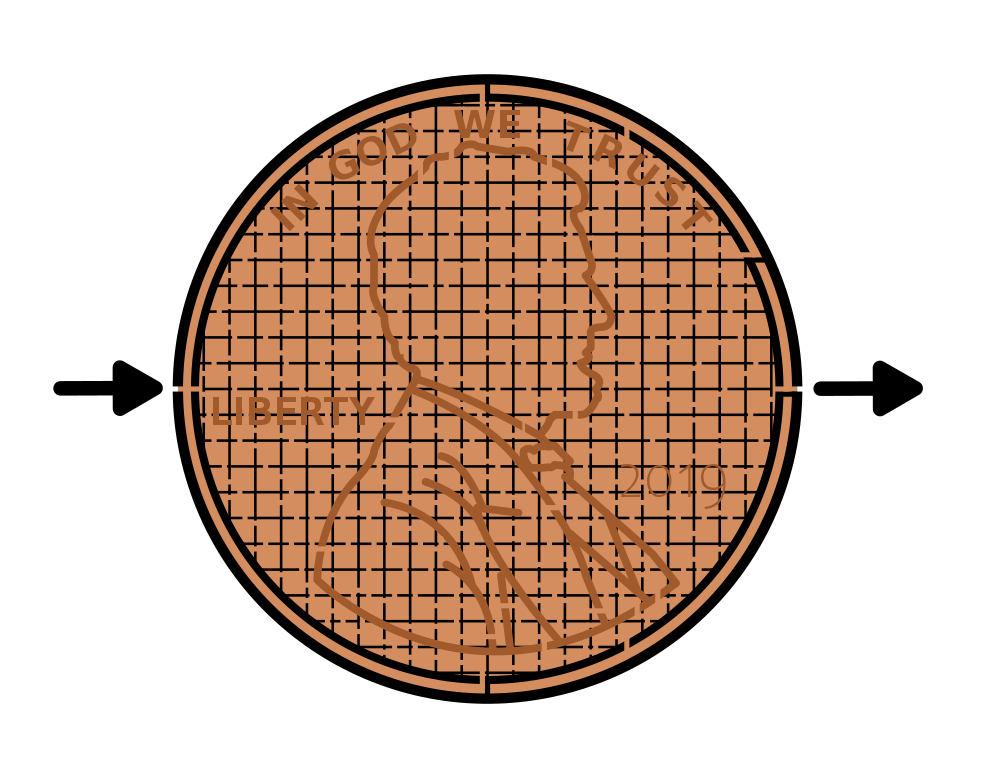
#3 US Penny Maze

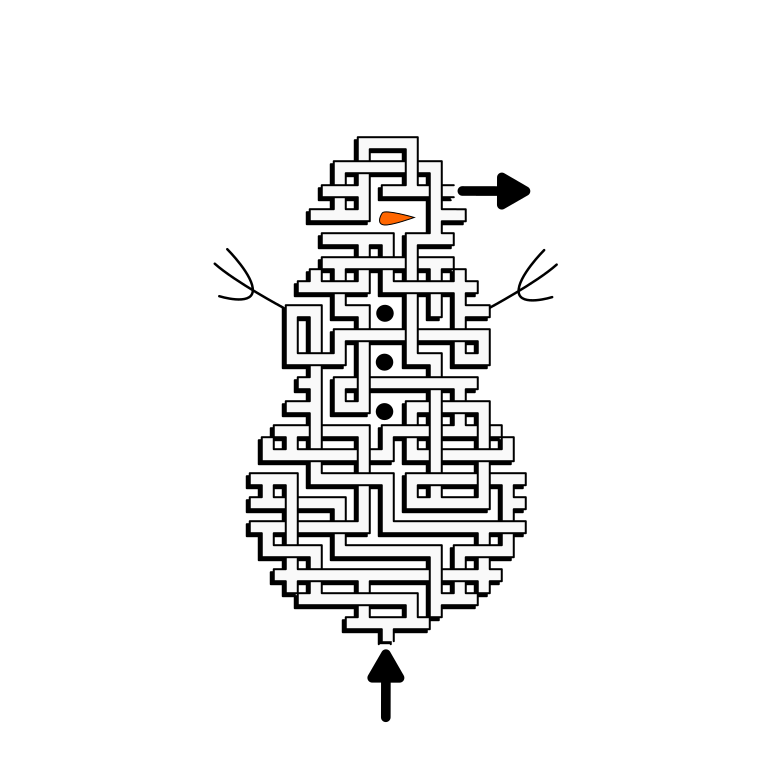
#2 Snowman Weaving Maze - Part of the Holiday Maze collection.
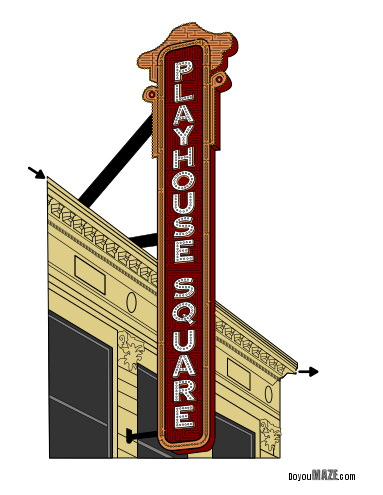
#1 Playhouse Square Sign, Cleveland, Ohio

Blog Posts:

102 vs. 26

I took a break in the Summer from posting blog content to work on my How To Make a Maze content. When I completed them I was able to post 40 different maze construction step by step instructions and an overview post. They were posted starting daily October 1. That really added significantly to my content. I followed those up with how to draw a labyrinth instructions. Overall, a great year for my blogging !

Name Mazes Made

247 vs. 1,499

Well, they can’t all be winners ! I spent a huge amount of time in 2019 researching the most popular names in the US, then the world and making mazes from them. You can read about how I chose the names HERE. I had a lot of fun, but felt I needed to branch out into other projects. I figured out I had over 70% of all Americans covered, and most likely similar high percentages of Western names. So 2020 meant only doing requests when they were submitted, until I wrote the draft of this and started back up !

Books posted online:

8 vs. 19

In 2020 my monthly daily maze themes allowed me to create monthly themed books from their content. It allowed me to practice making book covers, collating mazes, pagination, creating solution pages, converting images to different file types, and even more. Now in 2019 I made many books to create some interesting content for the site. But, making a book each month is great practice for…..

Books Published on Amazon:

3 (13 versions) vs. 0

I published my first 3 books on Amazon. And with a bit of help I translated 2 of them into 3 additional languages. Then I realized that Arrow Maze Books do not need to be printed (no pencil needed!) , but then I had to figure out how to correctly make what is essentially a picture book for Kindle. Well it took awhile, but I now understand how to do it, giving me 4 more Kindle versions of my Arrow Maze Book. So 3 books, 13 versions ! I have to say, all the practice throughout the year definitely help make these books better !!!

Website Traffic growth:

+1000%+

The website traffic grew year over year by more than 1000% and it has the potential to grow by the same in the future as I learn more about image SEO. There is plenty of content on how to improve your written SEO with key words, and great content etc. But not much at all on how to improve your Image SEO. This is basically an image website - that is how people stumble upon it. Then if I do find it, how does it relate to my website builder template (the answer is not well). So I am running blind a bit here, but optimistic for the future.

Different countries visiting the site:

99 vs. 20

Without getting in the weeds on the analytics of the site, I believe the maze images are multilingual friendly. I also published books into 4 languages on worldwide Amazon sites. I have multiple sections of the site and blog posts that are focused on other languages than English. Well, depending on where you look the number of countries in the world is around 195, so I hit half of them in 2020 ! Definitely have a goal to raise this number in 2021 ! (as I keep hoping for a new country to hit 100 these last days of December…nope…….again…nope)

Requests for Maze use:

YouTube Videos Created and watched:

YouTube Subscribers:

RSS Subscribers to the blog:

Books Sold on Amazon:

Up higher by infinity

I had multiple requests this year to use my mazes in classrooms, in a newspaper, and for use in creating some new digital mazes. I like to collaborate and was excited for each of these opportunities ! I also did a few basic videos for some of the blog posts to better explain how to make mazes/labyrinths. They are private on YouTube, but I still managed to get my first subscriber ! And finally I have a group of people who subscribe to this blog and might be reading this right now ! Hi ! All these are small numbers, but they were 0 last year, so each has grown.


So that is my year in review. I learned a lot. I hope to continue growing the site, making more books, and of course posting at least one new maze each and every day !


And because this is the internet, we can travel into the future and see what happens:

MY 2021 YEAR IN REVIEW

MY 2022 YEAR IN REVIEW

How to Race Mazes - Rules, and ideas for Maze competitions

Mazes are usually a solitary pursuit. But if you are a competitive person I have some ideas for you that will make your maze solving competitive - Maze Races ! Simply put, a maze race is a race between multiple people to see who can solve the maze the fastest. Let’s look at how a maze race works.

HOW TO HAVE A MAZE RACE

  1. Select a maze - Ideally this will be an easy to medium difficulty maze. A difficult maze will take too long to complete and tension and speed will wane as the time passes. You want the maze used to be able to be solved quickly to add some drama to the competition. I also suggest a black and white maze (or grey). I have found that a maze printed in color being solved with a pencil can be problematic. Really it depends on your printer, but if the color has a glossy finish it’s a problem.

  2. Print the maze - Although it is possible to race mazes digitally in theory, the best way to race is with printed mazes. Many online mazes are not able to be solved ‘on screen’ so paper solves this issue. Print as many mazes as there are racers.

  3. Follow these 6 maze race rules - Ideally you want steps 1 and 2 above to be done by a neutral party. This prevents a solver from giving the maze a glance and pre solving a portion of it beforehand.

    1. Place the printed maze face down

    2. Solvers flip the mazes over when start is called

    3. Solve the mazes with a writing utensil

    4. Mazes must be solved from start to finish (no backwards solving is permitted) This is an optional rule and with large groups may need to be suspended since each solve may not be able to be monitored.

    5. Once the maze is completed sit down your writing instrument and say “solved”

    6. A neutral party checks the answer to confirm the winner.

How to Have a Maze Team Waterfall Race

A maze waterfall race is simply a race between two teams with an equal number of people. You use the same 6 rules as above except for rule #2. Instead of solvers flip the mazes over when start is called this becomes - the first solver flips over their maze when start is called. When they are done and say solved, only then can the next person on the team flip over and start their maze. This means only 1 person at a time is solving a maze on a team. If you want to make sure this is adhered to, give each team ONE writing utensil which must be passed from player to player as a maze is completed. Additional optional rule - no helping. You should use a different maze per slot on each team, because if you use the same maze for all competitors, once one solver on a team solves the maze, the temptation to see their work for clues is strong.

Some additional ideas to make the races even more competitive:

  1. Solve 3 different mazes - For a bigger challenge place 3 different mazes in front of the solvers (they may solve them in any order they choose). The winner is the first to complete all 3 mazes correctly. This is better for large groups that are maze racing. A large group racing only 1 maze will most likely have a very close finish.

  2. Solve 3 different maze types - Same as above but using 3 different types of maze constructions. I suggest one standard maze, a puzzle maze and an arrow maze. Each construction is solved in slightly different ways and presents a different challenge for the solvers.

Introducing : My Newly Designed 2 person Maze race competition mazes

I think all of the options work well above, but if that is still not quite what you are looking for I have designed mazes specifically for 2 person Maze Races ! So far we have the prototype example below, but I hope to add new versions and a dedicated section of the website once I have made enough ! How does the 2 person race work ? Well I have designed a maze on half the page ending in the center. I then copy that exact same maze on the top of the page inverted also ending in the center. This makes a page where 2 people sitting across from one another can race the same maze on the same piece of paper at one time ! Both are trying to reach the same center goal from different directions. I have made these to be printed on letter size paper, but the larger the paper they are printed on the better.

Some tips: 1. Consider taping this down to a table. In the rush and excitement of solving the maze can easily be moved…people get upset. 2. If this IS done, cover the maze by putting another piece of paper over the maze before the start so neither person can “pre-solve”. 3. Decide beforehand if the non writing hand can be on the table. Some players tend to want to block what they are doing from the other player. I suggest NO blocking the other persons site.

2 person Racing Maze - rectangle

2 person Racing Maze

Single person Maze races

My attempt to make a maze race game for 1 person was the golf game mazes. How do these mazes work ? Well, like the game of golf your goal is to get the lowest score possible. The faster you solve a maze, the lower your score is. Each maze has a time and score printed on the page. In the example below, solving the maze in 30 seconds or under gets you a score of 3, etc.

timed golf hole themed maze

golf game maze hole#2

This particular golf game as you can see sets scores with a range of times. So someone solving in 33 seconds and another in 42 seconds would tie. However, this can of course be adjusted so the raw time determines the winner. The scorecard was set-up specifically for one person challenges. Scoring well on the example above is often a case of luck in some of your early path choices. This is because the wrong pathways purposely do not dead end for a longer time than normal. Try for yourself and you should notice that wrong turns are not as apparent in the maze quickly.

Additional Maze Competition Ideas

  1. Challenge yourself with any maze just by timing yourself to see how quickly you can solve it. Unfortunately, once you try to solve a maze, you’ll need to set it aside before trying to beat your score as the correct solution will come too easily.

  2. Add some puzzles, math or word games into the race. I have a word puzzle book with 151 different word puzzles. While I mention missing maze types together for a competition, there is no reason you can’t mix in some real schoolwork. This gives a competition the added difficulty of using both speed, knowledge and accuracy to determine a winner.

Here is an example of what a 1 page sheet might look like for kids. Although any time you are making one for children it takes skill to line up the different subjects age appropriateness correctly. But if you are a teacher this should be much easier for you !

Maze racing one page example

I hope you have found an idea to make your mazes more fun and competitive ! Happy mazing !

Laughing Emoji 2 person Maze Race

2 Person Maze Race

How to Make a Math Maze

In a series of posts I will show you how to make a maze in a wide variety of design constructions. The 40th type of maze construction is the Math maze (a variation of the Number maze). Let’s define what I mean, then get into the example. This maze type is not conducive to outline or shapes so I will use a traditional grid like pattern to illustrate the creation.

Math Maze - A type of number maze where moving from the Start to the Goal is done by correctly answering math problems to move in the correct direction.

HOW TO MAKE A MATH MAZE

  • Step 1 - Draw the Outline Structure

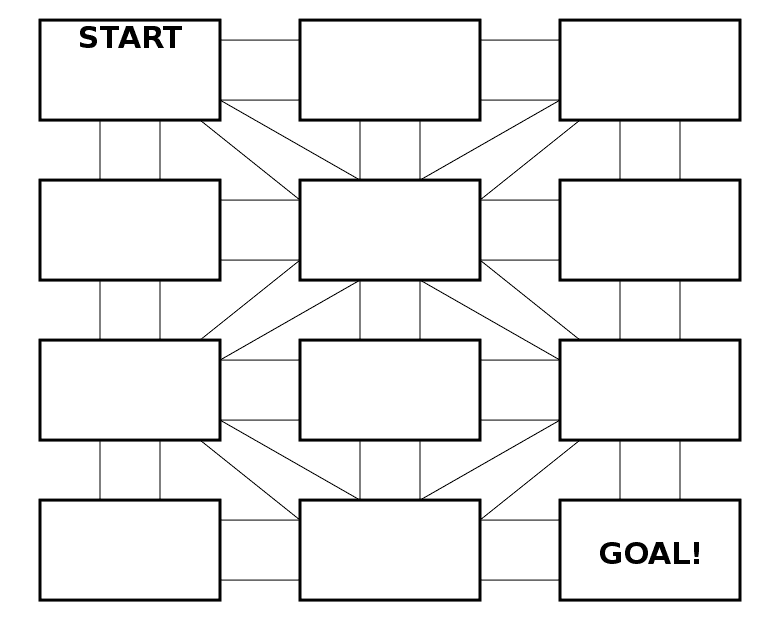
The outline structure of the math maze should include spaces for math problems with multiple possible pathways branching away from it that will include possible answers. Problems can be housed in circles, bubbles, or any other shape you find interesting. My example includes the most common shape - rectangles. You can download 10 free templates here.

  • Step 1.5 - Choose the Start and Goal

No surprise these will typically be on opposite ends of most structures. Remember to leave room in the START square for a math problem ! I always make the final space the GOAL with the last answer leading the solver to it.

Math Maze template 4 x 3
  • Step 2 - Start Adding Math Problems

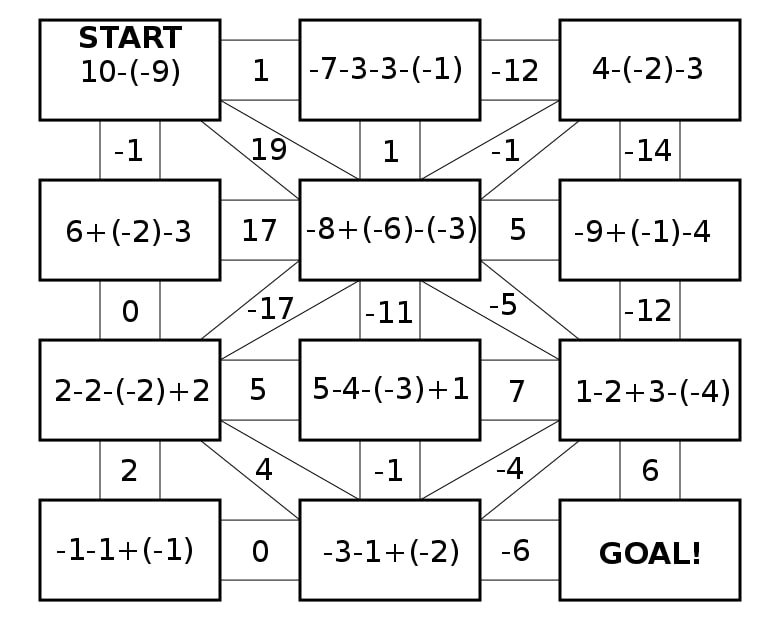
Unlike most mazes, the Math maze starts with a problem in the first square. In my example I use addition and subtraction of positive and negative numbers, a common problem that is easy for anyone to get incorrect, not just new learners (but especially new learners).

Making a Math Maze step 2
  • Step 3 - Add possible plausible answers

In my example using the addition and subtraction of both positive and negative numbers besides the correct answer there are very common wrong answers. Those should go on the other possible pathways. For the START problem the 3 most common answers are 19 (correct), 1 and -1. If you wanted to lead a student to the correct answer you could use obviously incorrect possibilities like 5 and 7 (but then it would not be challenging). For the second problem there are 8 possible answers (really 7 if you do not consider the path you arrived on). Each number used is a possible answer based on common mistakes so the solver really needs to understand what you are calculating to get the answer correct !

Making a Math Maze step 3
  • Step 4 - Create the Solution

Make the solution to the maze based on the math problems and correct pathways.

Making a Math Maze step 4
  • Step 5 - Create False Pathways

Fill in any remaining blocks with incorrect answers, and alternative math problems. If you want to steer students/solvers towards PAST missed answers you can make the false pathways they have taken CORRECT for the next answer by reverse engineering the next math problem, essentially returning them on the pathway they just came from. This will make the student move back and forth between the two problems - hopefully realizing something must be wrong !

3 x 4 math maze using addition and subtraction
  • Step 6 - (optional) Add Directions

Add directions to explain to the solver how they can move through the maze if you believe it is needed. Most math mazes are self explanatory.

  • Step 7 - Create a Final Solution

Highlight the correct path in the final version of the maze to create the final maze solution (shown here in gold).

Math Maze Solution example

Additional Math Maze Examples

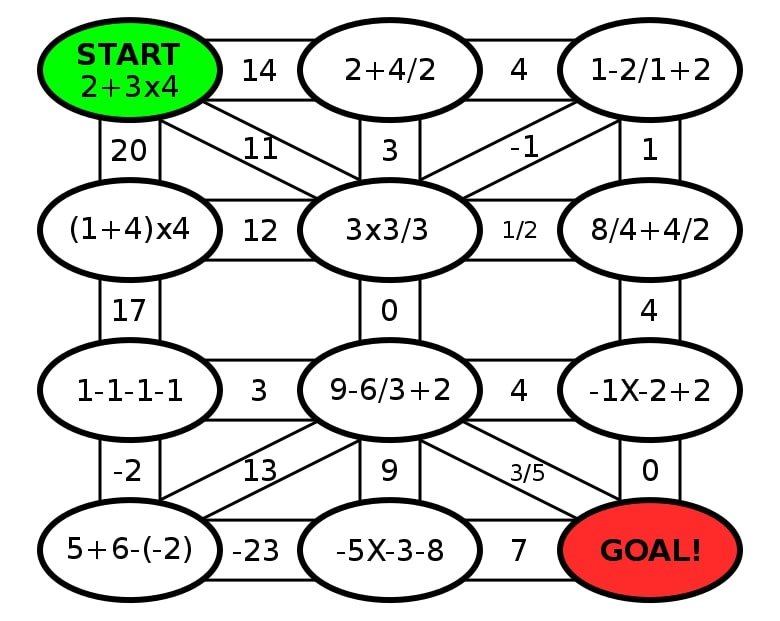
The most difficult thing about making a math maze is the math ! Here is a second example of a Math maze adding in multiplication and division to add difficulty and really test comprehension of the order of operations !

4x3 Math Maze example order of operations

Math Maze based on the order of operations rules

Here is a second example of a math maze that is a bit more complicated than it initially looks. All you need to do is move from start to finish, summing each number you pass over. In order to reach the goal correctly you must reach the number 25 exactly from traversing the maze. So while there are no math problems so solve, there is one large math puzzle. The making of this is very different from my step by step instructions above, so it has it’s own How to Make a Math Addition Trail Maze post.

Math Maze sum to reach the number

And finally if you are looking for a resource that can help you determine what math problems go with what grade level I suggest you check out the Math Worksheet Center.

For my last example I want to make sure you know about Area Mazes. Called a maze, but actually a type of logic puzzle from Japan created by Naoki Inaba. Used to teach Japan children mathematics and logic. Solving requires calculating the area of a rectangle, often multiple times. Also called Menseki Meiro. If you would like to try to solve some, online area mazes can be found here. Or if you want to read my review of 2 Area Maze books, check this out.

In the below example (you are trying to find the area of the blank box) you would first solve the wall under the # 12. You solve the equation 4 * X = 12. So X = 3, meaning the bottom left side of the square has a length of 3. Now you can solve using the 3 and the 21 to calculate the length of the left side of the square above the 4. Solve 3 * X = 21. The answer is 7. Continue this to solve the Area Maze.

Area Maze example

MATH MAZE OR NUMBER MAZE ?

There are a few examples that fall into a grey area between what I call number mazes and what I call Math Mazes. Number Mazes aren’t so much about doing math as counting by a certain number, like 7 in the first example below. You can learn how to make number mazes here. The next 2 examples are probably math mazes but if you called them number mazes I would not fight you. The middle example you need to understand which numbers are divisible by 3 to solve (seems like a math maze to me). The last example you need to know what an even number is and strategically move to a higher even number to solve the maze (number maze?). My point is you can get creative depending on what you are attempting to teach !

Count by 7's math maze
Divide by 3's math maze
Higher evens math maze

Other posts you may be interested in:

Mazes of all 50 US states for Kids, each maze includes the state capital, year of statehood, state motto and more.

A collection of free downloadable Kids Activity Books.

Step by step instructions on how to make over 40 different types of maze.

Instructions on how to make labyrinths.

How to Draw a 25 Circuit Circular Labyrinth

Today we look at how to digitally make a 25 Circuit Circular Labyrinth. Spoiler alert - This is the same as a 17 circuit circular labyrinth just adding a few more rings. This method is a draw and cut method, meaning you will be making edits that remove lines you have previously drawn as you move thru the steps. When I started this project I wanted to see how large I could make a circular labyrinth. For me, at more than 25 my screen and guides were too difficult to use. That’s how we got here. Let’s get started.

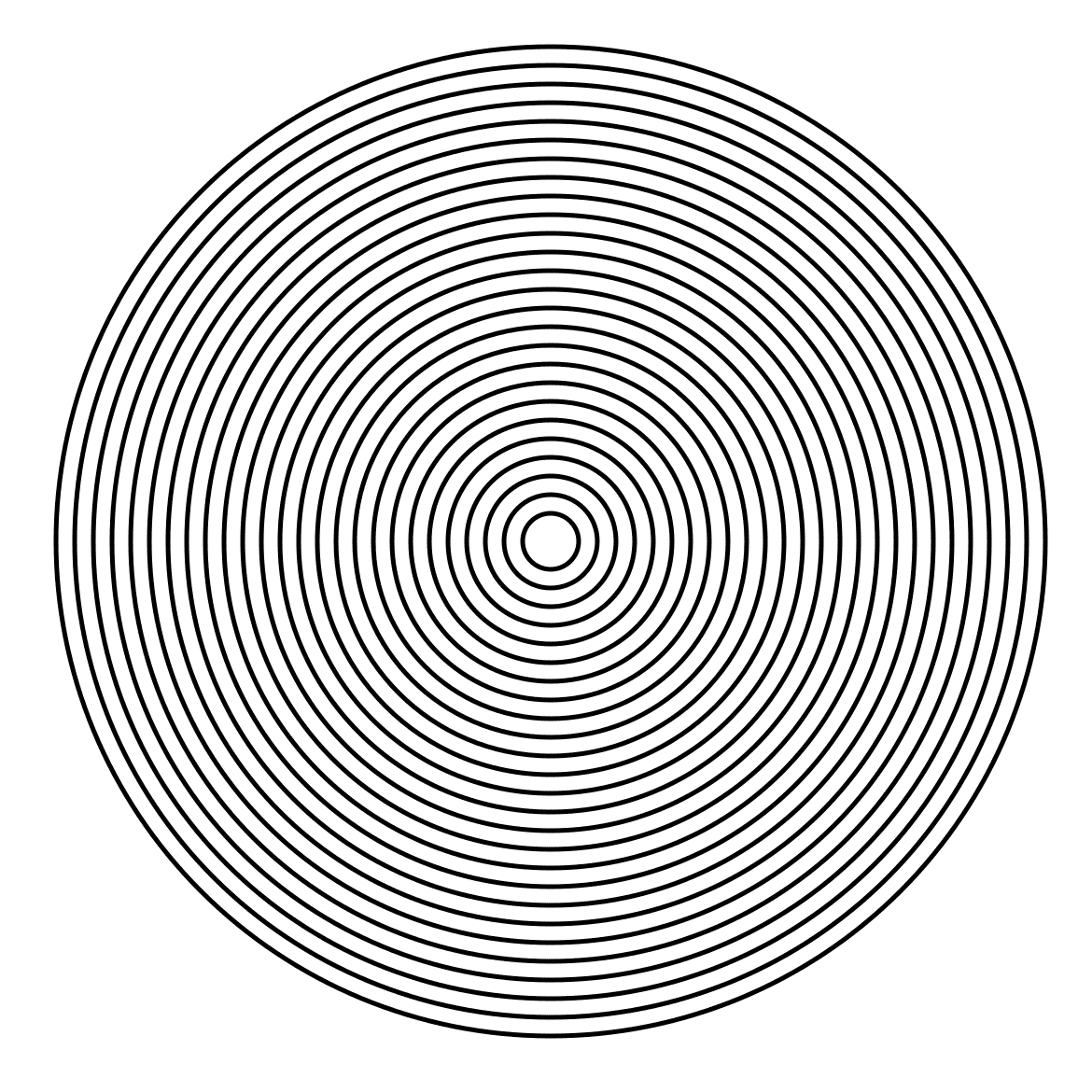
Step 1: Draw 26 Concentric Circles

Draw 26 concentric circles each an equal distance between one another and centered around the middle circle. The middle circle will become the labyrinths goal. As you may note, whatever the number of circuits you want is add one and that is how many circles you need.

26 Concentric Circles

Step 2: Draw the 10 Inner Walls

I could break this into more steps but there are 10 straight lines that form inner walls and pathways. See the example. All occur at 3, 9, and 12 o clock or centered around 6 o’clock. Rather than write it out, follow the example. Imagine you are riding a subway system and mind the gaps.

26 Concentric Circles broken up with lines

Step 3: Add Pathways Where Needed

Refer to the picture and add pathways where needed, erasing portions of the circles. There are many, and depending on how you draw/erase them the number can change. They are all at 3, 6, 9 and 12 o’ clock, next to where you just drew inner walls.

That completes the drawing of a 25 Circuit Circular Labyrinth.

25 Circuit Circular Labyrinth

25 Circuit Circular Labyrinth

Interested in learning how to make or draw other types of digital mazes ? I have step by step instructions on how to make over 40 different maze types.

If you prefer making labyrinths, you can find step by step labyrinth making instructions.