The 12 Most Important Retro Maze Video Games to Lose a Day With

I love to play retro video games. But only games from the years of my childhood on. I think this is because you get used to a particular quality of graphics and gameplay and then that level continually gets better throughout your life. You get faster, lighter machines, with better graphics, music and gameplay. So I am not playing anything from 1975, but I get excited about emulators of my favorite games from 1985. Today we are going to look at a specific genre of game that I have always loved - maze video games. I have to admit that while writing this post I may have gotten distracted a few times by playing some of these games online. It was totally worth it.

a History of Maze Video Games

For maze video games it all started in 1959 at MIT in a room filled with a TX-0 computer. This is where the first maze video game was created, called Mouse in the Maze. The gameplay was simple. A mouse is tasked to get through a maze and find the cheese (the goal). The mouse in the game is considered the very first character in a video game. The next 2 maze games were not developed until 1973, with Gotcha (Atari’s 4th game) and Maze (by Steve Colley). Maze is considered a revolutionary game for many reasons. It is believed to be the first 3D first person game ever made, and it is the very first first person shooter game. We can thank Maze for Doom, Call of Duty, Wolfenstein, Halo, and all of the other first person shooter games you know and love. Video games exploded in popularity in the 1980’s with the expansion of home consoles like the Atari 2600 and the booming of arcades based on Space Invaders (1978), Pac-Man (1980), and Donkey Kong (1981). This is when the flood of new maze games were developed as the popularity of maze game Pac-Man led to many games with similar gameplay. Here is a look at Mouse in the Maze gameplay:


Definition of Maze Video Games

I think we should define what we are talking about. So, what is a maze video game ? Well it is a game that where the playing field is a maze. This can mean: solving a maze within a time limit, outracing your opponent, and outrunning enemies that are chasing you thru the maze. There are 4 main types of maze games:

1 - Overhead maze games

2 - Maze chase games

3 - First-person maze games

4 - Grid capture maze games

Let’s define each and give some examples of the best games of each type.

Overhead maze games

This is just what it sounds like. As a player you have an overhead view of most/all of a maze playing board that your character does not have (because they are in the maze). As a player the maze is not difficult to solve/move through because you can see it from overhead. But, it would not be a game if there were not challenges.

Examples of this include the aforementioned Mouse in the Maze (1959) and Gotcha as well as these important games:

Tank Battalion (1980) - the first game that combined the popular tank video game theme with the overhead maze view. Gameplay involves the player destroying 20 tanks per level that are trying to destroy the players base. You can also use your tank to change the mazes by blowing up a wall. I definitely played this as a kid.

Dig Dug (1982) - One of the top grossing games when it was released, it started a fad of “digging games’ based off of it’s gameplay. The player must dig his way thru the board and defeat all his enemies to move to the next board. Digging around the board essentially creates a maze that can be used by the other characters. Personally I love to play this game and will never pass it by if I see it. As I wrote this I found an emulator and played a few rounds. Still fun to play today.

Bomberman (1983) - The main character, Bomberman, a robot, must find his way thru the maze while avoiding enemies. Standard stuff, but this game was the start of a series with over 80 titles that continues up to today. I knew that Bomberman was a series, but had no idea there were so many titles ! Besides the standard gameplay of avoiding enemies while reaching the exit you have the ability to use bombs to find hidden doors that lead to new portions of the maze.

Gauntlet (1985) - When this 4 player cabinet showed up in arcades my friends and I spent pockets full of quarters trying to defeat this. I am not surprised that while researching the game it was known for its high gross profit. We just kept dying and going forward and I’m not sure we knew it was 100 levels. You could play as one of 4 characters each with their own strengths and weaknesses: A warrior, wizard, valkyrie or elf. I was always the elf. I loved trying to solve the maze and get to the exit while trying to avoid/kill the enemies, but it was always the ghosts that got me.

Maze Chase Games

You may have been thinking, wait how did you speak about overhead maze video games and never mention Pac-Man ? Well, because it became so popular, easily the most popular game in the maze genre that it created it’s own sub-genre of overhead maze games, the maze chase games. You get the overhead view but the gameplay includes being chased or doing chasing by enemies. Any discussion of this must start with Pac-Man.

Pac-Man (1980) - Simply put one of the greatest video games of all time. Made to appeal to both men and women at a time when many games were directed at males (with war and sports themes). You know the gameplay, so no need to describe it, but the game is significant historically for many reasons: The first video game with power-ups; the first successfully licensed game; the first game with cutscenes; the first game with a widely recognizable character to become a mascot.

Rally-X (1980) - A formula one racing game that takes place on a large scrolling maze (it scrolls in 4 directions) while you are being chased by evil red cars. The goal is to collect 10 yellow flags per level while avoiding the red cars, and boulders placed in your way. Historically significant for having a bonus round, believed to be the first while also one of the first games to feature continuous background music.

Lady Bug (1981) - Gameplay was based on Pac-Man with the significant upgrade being the use of gates which when crossed would change the layout of the maze. Instead of ghosts you need to avoid one of 8 different types of insects and instead of dots you eat flowers, letters and hearts. As someone who designs maze puzzles, the use of gates to change the maze is very interesting: check out how they are used in the gameplay video.

Ms. Pac-Man (1981) - This sequel to Pac-Man is considered by many the best version of the game because of a few tweaks to the gameplay - 4 different mazes, multiple warp tunnels on some levels, and fruits that move and appear differently. Argue amongst yourselves. Having played both I vote for this version. For many reasons that you can argue amongst yourselves, Ms. Pac Man is not considered the first playable female video game protagonist. Most consider Billie Sue from the arcade game Wabbit (1982) as having that title. What do you think ? Should our female dot eating puck be considered ?

First-person maze games

A game where the player has the same view as the character in the game.

Maze (1973) - Mentioned above as the first 3D first person game ever made, and the very first first person shooter game. Developed and played at MIT it was continually updated and and improved - adding additional players, map views, and scoring among them. The name changed multiple times as it was developed. Eventually it was developed into a separate game called Mazewar (1977) developed by Jim Guyton for the Xerox Alto.

Capture the Flag (1983) - Important because it was one of the first first person games to allow 360 degree movement, and also one of the first 3D games that was multiplayer. This game is the sequel to the game Wayout (1982) that added the second player. Gameplay was themed so that one player was trying to capture the flag while the other is defending it. Interesting in this game is that it can create an infinite number of different mazes for the players. The below gameplay video shows you how the screen was split for the two players with the map below.

Grid capture maze games

In a grid capture maze game the goal is for the player to visit every post in the maze/grid/level to move on to the next level. This is mostly done by traveling on the grid (much like an on-line type maze) rather than between the walls in the pathway.

Amidar (1981) - The original game that launched the genre. Gameplay is similar to Pac-Man in that you complete a level while avoiding enemies that are chasing you, however you travel ON the lines instead of in-between them. Once you complete a section by touching all the area surrounding it, the section colors in (see the purple blocks below). Every other level is played either as an ape collecting coconuts while being chased by headhunters, or a man with a paint roller being chased by pigs. Sounds weird, it is.

Although over 20 grid capture games were developed in the 5 years following the release of Amidar, none of the titles are recognizable to me.


final thoughts

Each of the 12 games above helped make gaming what it is today and make up the core foundation of maze video games. While most of these games came out in the 1980’s, we still have new Pac-Man and Bomberman titles coming out 40 years after their initial game releases. Maze video games include the all-time video game classics Dig Dug, Gauntlet, and Ms. Pac-Man. The easy to understand gameplay make maze video games easy for anyone to play. If you want to go retro and waste a day playing some fun games, try a few of these classics - I think you’ll like them !


You are on a website that is dedicated to mazes and labyrinths. The site is full of thousands of mazes for you to download and solve. I used to make fan art mazes and here is one a reader of this post would like:

Pac-Man Maze

6 Creative Ways to Use Mazes: It's Not Just Solving !

When you think about mazes what comes to mind ? For most people I think it is a black and white maze on a piece of paper in front of them to solve with a writing utensil. For a few people they might think of physical mazes like a hedge maze or a corn maze that can make for a fun outing. I think about mazes a lot and have come up with a few new ideas for types of mazes and even wrote an 11 part series (post #1) showing my experiments. You can see all 11 in this post: EXPERIMENTAL MAZES REVIEW. Today I want to consider other creative ways to use mazes.

6 Creative ways to use mazes

1. Use the solving of a maze as a team-building exercise, where participants must work together to find their way out. For a workplace this would mean using a large maze that would take one person a long time to solve on their own that could be solved much faster wit some teamwork.. A good team would have one person solving from each direction, both from the start and goal, while other people could be marking dead end pathways so they are never taken in the middle portion of the maze.

2. Use a maze as a fun and challenging activity for kids by having maze races. I have mentioned this before and in the right situation this could be fun for a classroom (let’s be honest - it could also be a disaster). HOW TO RACE MAZES - RULES, AND IDEAS FOR MAZE COMPETITIONS. If the kids have some friends over, if it is an inside day (rain?) instead of sitting them in front of the television/videogames opt for a boardgame or some maze races !

3. Use a framed maze as decoration instead of a painting. There are 2 ways to do this. One is the standard black and white maze which would give you a modern look, while the second is using some of my maze art for a more standard look. I used Starryai to create what a maze museum would look like (gallery below) and I added a few of my favorite maze art I think would look good framed on a wall. A subset of this, slightly different, but not enough for it’s own line, use a maze as décor in a photoshoot.

4. Add a maze to your garden landscaping. When you think of outdoor mazes you probably think of very large hedge mazes in public places that take years to grow and a lot of gardeners to maintain. But, you can also scale this down to a personal garden. You can use flowers, edible plants, and local grasses to create a maze. If you want to get really fancy and ambitious add a knot garden. They do not need to be as fancy as this one at the Hatfield House. Another variation of this is by adding a labyrinth to your property with a company that specializes in it.

The Knot Garden at Hatfield House

flickr - Jayembee69

5. Use a maze as a clue/quest in a real world game. This could be any number of types of games. A scavenger hunt that includes a maze (physical) with clues along the way or at the exit. A scavenger hunt with a paper maze with multiple exits with different clues, but only a solved maze leads to the correct clue. An escape room as many clues that need to be solved to exit. Incorporate a maze as one of them. Honestly combining an escape room with a hedge maze would be cool but that wouldn’t be a room would it ? A corn maze with clues and obstacles might be a better version of the idea. The Evionnaz Adventure Labyrinth in Switzerland contains obstacles in the maze. You can get a sense of them here:

6. Use a maze for protection. Well there had to be one wild suggestion. Remember when castles were surrounded by moats to help prevent attacks from invading armies ? Couldn’t you do the same thing with a maze built of a solid material ? If the army could climb the walls they become easy targets. If the maze is boobytrapped Indiana Jones style the same for troops in the maze. I could even see it being flooded to repel attacks or lit on fire. This could be a movie…?

Mazes aren’t just for solving sitting at a desk ! What are some other ways mazes could be used ?

More posts you may like:

The 10 Most Famous Labyrinths from Around the World

Discovering 7 of the World's Most Interesting Mazes

What I learned using AI to make maze art

From Crete to Hogwarts: 7 Famous Mazes in Literature

Today we explore the fascinating world of mazes in literature. From the ancient labyrinth of Crete to the magical maze of Hogwarts, mazes have captured the imagination of readers for centuries. In this post, we'll take a closer look at seven famous mazes in literature and the stories behind them. Let's explore the twists and turns of these literary labyrinths.

7 Famous Mazes in Literature:

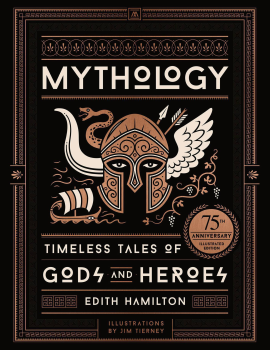
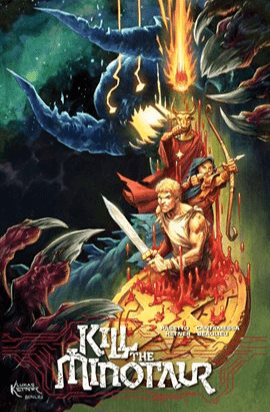
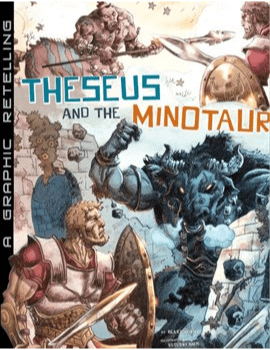
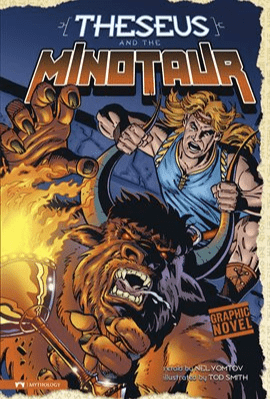
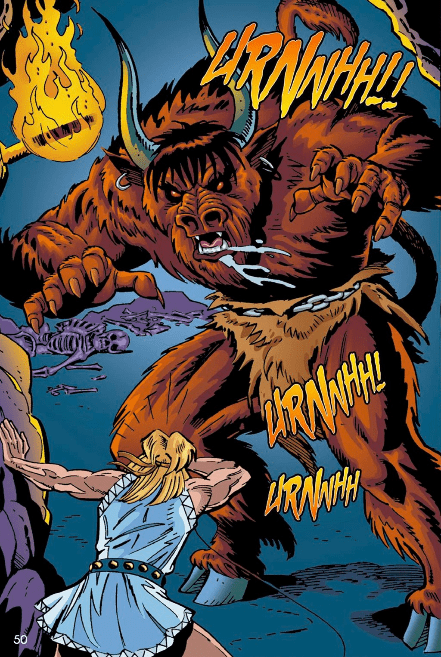
1. Greek Mythology (AMZN): All discussions of mazes in literature must start in Greece. The ancient Greek myth of Theseus and the Minotaur took place in a labyrinth. King Minos was upset because his son, Androgeus, did so well at the Pan-Athenian games, he was assassinated. He sent his fleet to Athens, and demanded the assassins be turned over, but nobody knew who did it. Theseus volunteered to go to Crete as one of the sacrifices to the Minotaur. The king's daughter (Ariadne) fell in love with Theseus and gave him a clue to the labyrinth so that he would succeed, which of course he did. In addition to books the story has been made into movies and graphic novels.

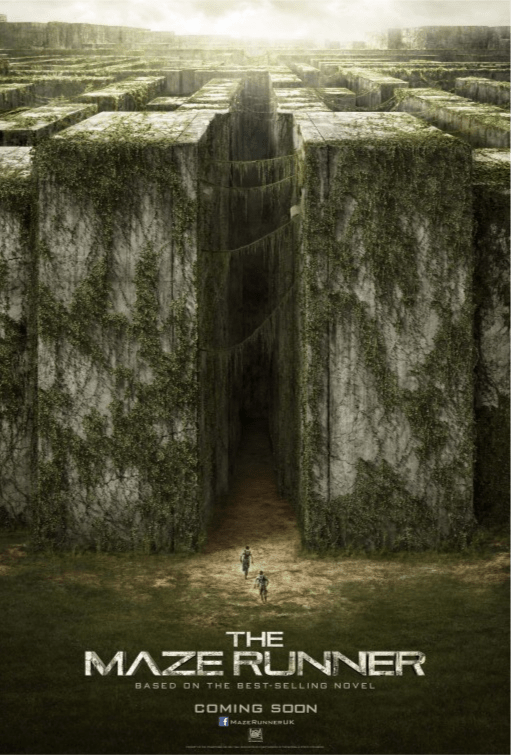
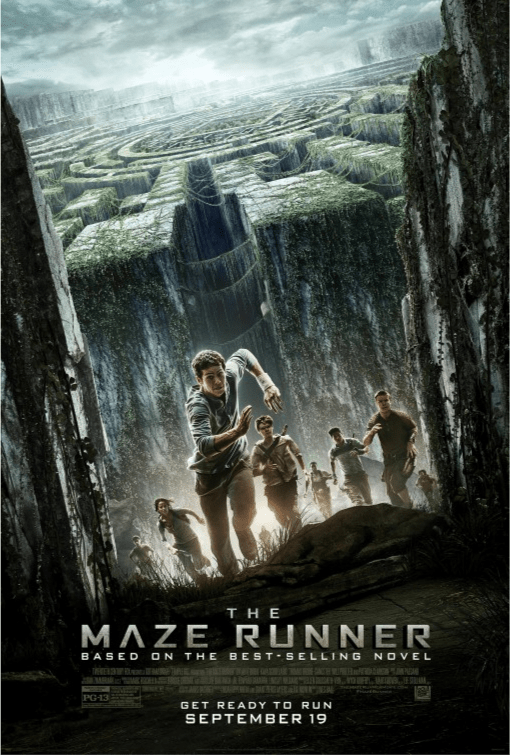
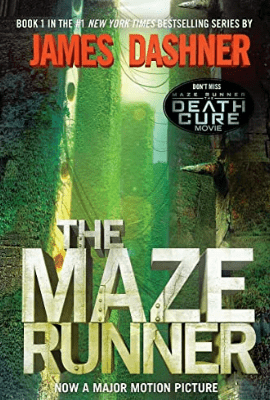
2. The Maze Runner (AMZN): The Maze Runner series by James Dashner starts with an elevator bringing a teenage boy to the middle of plain surrounded by a very high walls. We soon learn that the walls actually house a massive maze, which a group of trapped teenage boys must escape. The maze is filled with dangerous creatures and constantly changing walls and serves as the central plot device in the story first part of the series. The movies have some of the best maze themed movie posters.

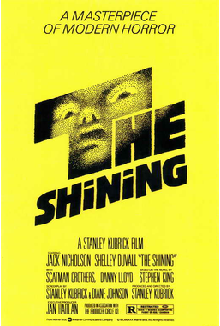
3. The Shining (AMZN): I consider this the best maze movie of all time, directed by the great Stanley Kubrick and starring Jack Nicholson. The book was released in 1977 it was written by the great Stephen King, giving him his first major bestseller. The story features a hedge maze at the end that serves to increase the panic of the characters and the suspense for the audience.

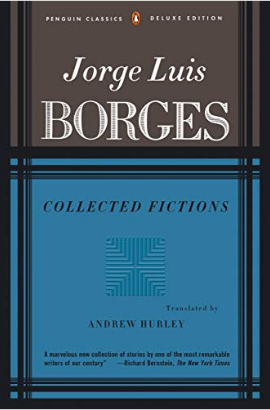
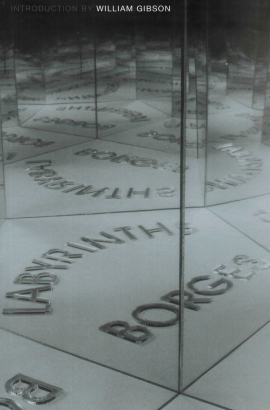
4. Jorge Luis Borges' works (AMZN): Jorge Luis Borges, a blind Argentinian librarian, is known for his mind-bending micro-fictions that play with the concept of mazes and he probably deserves his own blog post on the topic. He chose Labyrinths as the descriptive title for this English-language selection of his best stories and essays, where he imagines tortuous labyrinths, metafictional labyrinths, and a vast labyrinth without walls; ‘The Library of Babel’ presents a maze-like universe, and ‘The Garden of Forking Paths’ imagines infinitely dividing parallel universes. I also like the use a mirror maze on his Labyrinth book cover:

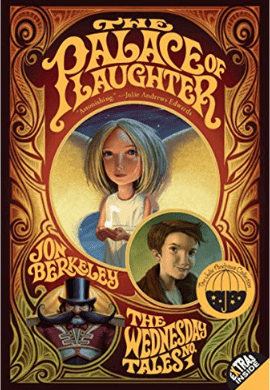
5. The Palace of Laughter (AMZN): I knew I just had to include a book for children. Written by Jon Berkeley, The Palace of Laughter is a children's book about a boy named Miles Wednesday who enters a magical world called Eldritch City. In Eldritch City, there is a maze that is said to lead to a palace of laughter. Miles and his friends must navigate the maze to find the palace and save the city from an evil ruler. Good news - if you enjoy the book it i spart 1 in a series of 3 !

The Palace of Laughter book cover

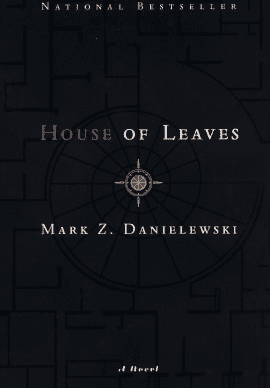
6. House of Leaves (AMZN): Written by Mark Z. Danielewski, House of Leaves is a horror novel that tells the story of a family who moves into a house that is larger on the inside than it is on the outside. The house contains a maze-like structure that is constantly changing and growing, and the characters must navigate it to uncover the secrets of the house. I like that the book cover is a mix of maze imagery with the spiral shell.

House of Leaves book cover

7. Harry Potter and the Goblet of Fire (AMZN). By J.K. Rowling. Harry Potter and the Goblet of Fire is the fourth book in the Harry Potter series. The novel begins with Harry having a dream about the murder of a Muggle by Voldemort. Harry, Ron, and Hermione then return to Hogwarts School of Witchcraft and Wizardry for their fourth year. Harry's name is mysteriously entered into the Triwizard Tournament, a dangerous competition between three wizarding schools. And one of those challenges is the Triwizard maze. As Harry competes in the tournament, he discovers a plot to bring Voldemort back to power. The book is filled with action, adventure, and mystery as Harry and his friends try to uncover the truth and stop Voldemort's return.

The books above were written over many centuries and many have been adapted into successful movies. Whether you're a fan of ancient mythology or modern literature, there's no denying the allure of a good maze. So the next time you find yourself lost in a book, remember the twists and turns of these literary labyrinths and enjoy the journey.

You may also like:

THE BEST BOOKS ABOUT MAZES AND LABYRINTHS (THAT AREN'T ACTUALLY MAZE BOOKS)

5 BOOKS ABOUT THE SPIRITUAL ASPECT OF LABYRINTHS

Maze Construction - 5 Maze Design Decisions Make All the Difference

I’ve taken the time to look at 40 different maze constructions, giving you step by step Instructions on how to make each type. I had a fun time with the project but wanted to expand on the subject with a more detailed look at what the key differences are between each type. Also, in my old job I spent like 90% of my time making spreadsheets and this is a perfect time to break one out ! No V or XLOOKUPS though.

First let’s define a few common maze terms:

  • Start - Where you begin a maze from.

  • Goal - Where you need to arrive at to properly solve the maze.

  • Wall - The portion of the maze that creates uncross-able boundaries

  • Pathway / Paths - What you travel along in the maze to solve it, typically the place between walls

  • Outline - The outer wall of the maze or border. Can be a simple shape or something more complex like a picture.

So what are the key items that set the Maze constructions apart from one another ? I believe there are 5.

5 Maze Design Decisions that Differentiate Maze Constructions:

  1. Where the maze starts

  2. What type of pathways/walls the maze uses

  3. Does the maze have an outline

  4. Are there any conditions you need to follow to solve it

  5. What is the purpose/goal of the maze

While there are other things that differentiate between mazes, these are the core 5 items. Let’s take a look at each one with some examples.

  • Where the Maze Starts

    I believe there are 5 categories of how you might start a maze:

  1. Border Start

  2. Internal Start

  3. Undefined location

  4. Multiple locations

  5. Specialty options

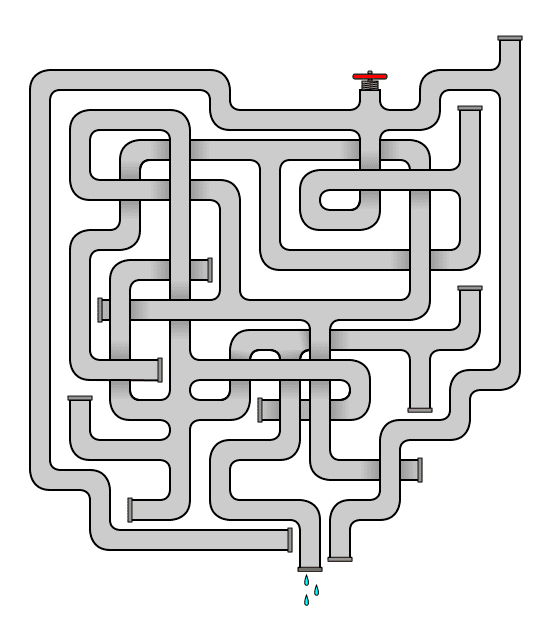
I would say that most mazes start at the border of the maze on the outside of the main maze structure. Essentially at the border you find an Arrow directing you into the structure or the word Start. But, there are more options. The internal start is the next most common. Escape mazes, by definition start inside the maze, but Arrow Mazes and Slide Arrow Mazes also start internally within the maze border. Block Arrow Mazes. Number Mazes, and Letter Mazes can also start internally depending on how you structure your maze. The third main start is the undefined start, usually with an undefined goal, meaning the start is either not known to you or it is selectable. A good example is the Dual Entrance/Exit Maze where you select the direction you wish to solve the maze in. While a Start/Goal type Arrow Maze gives you 2 options and you need to discover which is the start and which is the goal ! Finally we have 2 special cases, the Line Leads Maze where the start is a variety of multiple options, and the Pipe Maze construction where the start is the faucet handle (not really internal or border, but kind of both). Read about 9 common Options for Starting and Ending a Maze.

Here are examples of each type:

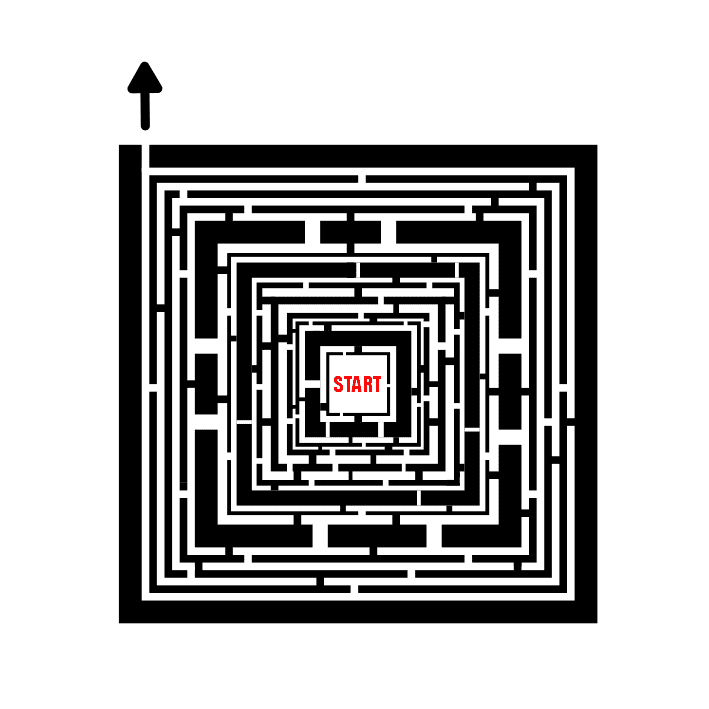
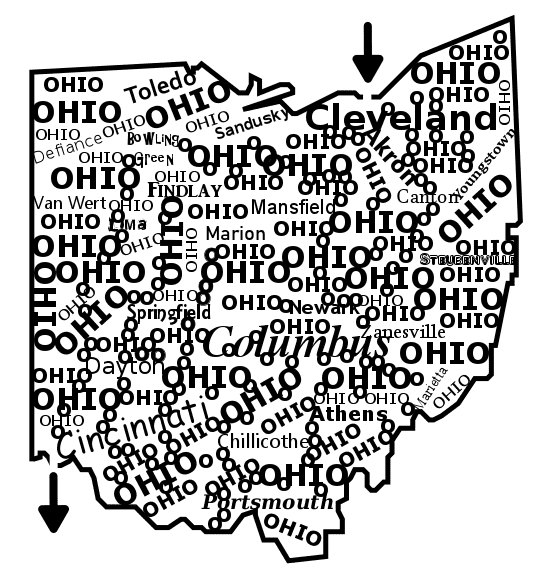
Ohio state maze

Start at the border of the maze

escape maze

Internal start

dual emtrance maze

Undefined Start - You choose the start and the goal

arrow maze

Undefined Start - Start / Goal Arrow Maze - You determine which is which !!

Ohio state shaped pipe maze

Specialty Start - Faucet Start

Line leads spider maze

Multiple starting options - Line Leads Maze

  • What type of Paths/Walls it Uses

I believe there are 5 categories of how you might construct pathways and walls:

  1. Walled Pathway

  2. Gridded Specialty

  3. Grid Walls

  4. On line Pathway

  5. Specialty pathways

The paths are integral in the construction of any maze. The thing about paths is they are created usually by drawing walls. They really don’t exist without the other. The maze you are picturing in your head is probably the most popular pathway, the walled path, typically a line. Those lines create walls that you travel between. The next most popular pathway is the gridded specialty structure. It encompasses all of the maze types that use box grids to house the maze. Think of Arrow, Slide Arrow, Number, Letter and Puzzle Mazes. Each uses a grid pattern to house specialty symbols/items that dictate how you may move. Finally, the standard grid wall structure. A regular grid wall structure allows movement in a more typical way, through cuts in the walls to create a pathway. The last common pathway is the on line pathway. In this type you travel on the line, so that there are no walls. This exists for On-Line, Line Leads, Conditional Path, and Directional Mazes. The last group are a variety of specialty paths each unique to 1 or 2 maze types. 2 specialty paths share the common design of weaving, the Pipe maze and the Weaving maze., each which allow the solver to move over and under the other pathways! Additional specialty mazes include Pattern Mazes which will vary in their pathways based on the pattern you are mazing. Object Mazes use objects for walls, creating unique pathways. Draw and Cut mazes are similar in that the pathways reflect whatever is is you have drawn. For additional reading, I did a blog post about the 12 most common pathway types: Maze Pathway options.

Let’s look at some examples for each:

Ohio maze

Walled Path

Puzzle Maze

Gridded Specialty - Puzzle Maze

Grid maze

Grid Path

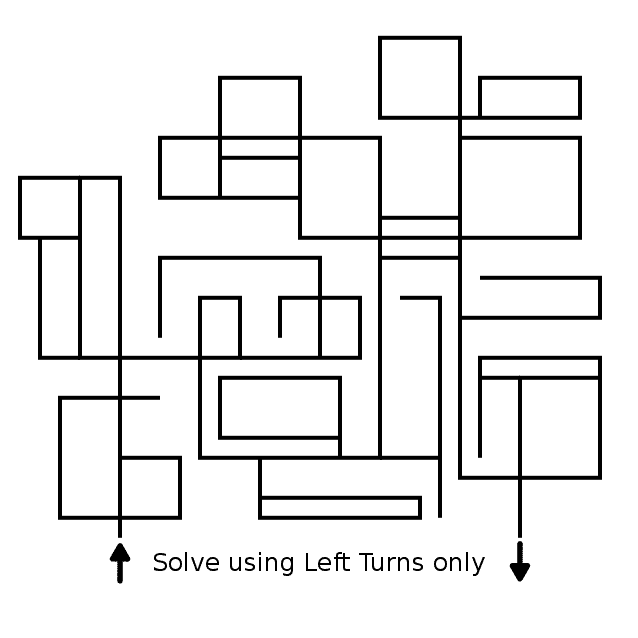
Left Turn Only  maze

On Line Path

Pipes Ohio maze

Specialty Path - Weaving

Smile maze

Specialty Path - Weaving

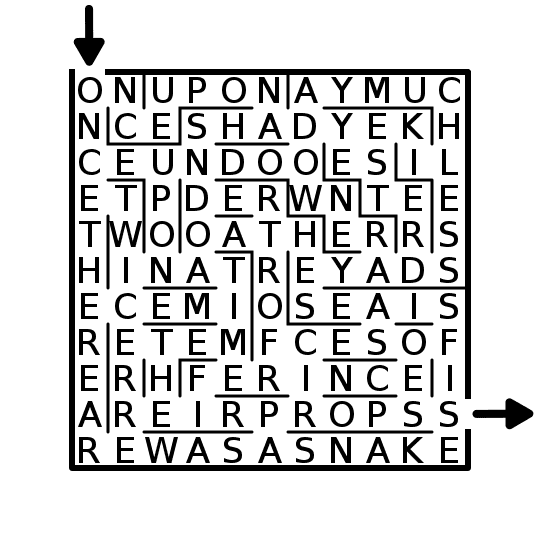
Ohio names maze

Specialty Pathway - Objects (words in this case)

Square cut maze

Specialty Pathway - Draw and Cut

  • Does the Maze Have an Outline

As far as constructions go this is pretty simple because it is a Yes/No answer. Bordered mazes are the standard with defined outer edges common to determine the shape and size of the solvable maze. However, some mazes have less structure. Think about a Weaving Maze and a Pipe Maze. Neither has a defined border as you travel in pathways which create the structure of the maze. Non-bordered mazes are also easy to see with Line Leads Mazes, where the squiggly lines make the structure chaotic. Some Mazes have defined structures, but no real border like a Math maze. You could make a math maze in a defined bordered structure, but it is not pertinent to solving.

ohio maze

Yes -it has a border

Ohio pipe maze

No border

Left Turn Only  Maze

No border

Escape maze

Yes it has a border

  • Are there any Conditions you need to follow to solve it

Most mazes are rather straightforward in how they are solved, but there can be a LOT of variety in the conditions. So the answer is either Yes or No, but the Yes has a huge amount of different conditions ! Let’s start with a standard maze which has No conditions to solving. The solver enters the maze, travels in it, then exits at the goal. That is the normal flow of most mazes. But sometimes there are conditions. A common clue is that if the maze comes with directions it is most likely conditional. Let’s look at a few: Solve the Puzzle to Move can describe many conditional mazes generally like a Block Move Maze. A Block Move Maze requires you to find a path between the start and goal by finding and moving the appropriate blocks to create a path. There are rules on how those blocks may move. A Puzzle Maze requires you to solve the puzzle to move correctly. A Number Maze requires you to choose the correct given numbers to move correctly. Same for a Letter Maze. A Conditional Path maze is by definition part of this as the puzzle you need to solve determines your movement. Likewise a Directional Maze (like a left turn only maze). Next is the Non Repeating Path condition. This is commonly used in a Find Items Maze and a Go & Return Maze. Each or these maze constructions require you to visit places in the maze before exiting, but the path you take may not backtrack from the way you came. Finally there is the Allowable Movement maze types. For me this includes Arrow Mazes and Slide Arrow mazes where movement thru the maze includes options on WHERE to go, but not HOW you may move. For more examples check out my blog on the 11 most common conditions: Conditional Pathway options

Let’s look at some examples:

Puzzle Maze

Solve the Puzzle to Move

Left Turn Only  Maze

Solve the Puzzle to Move - Left Turn Only

Go and Return Ohio maze

Non-repeating Path

Arrow Maze

Allowable Movement - Arrow Maze

  • What is the purpose/goal of the maze

I believe there are 5 categories for the purpose of a maze

  1. Reach the Goal

  2. Escape the Maze

  3. Solve a Puzzle

  4. Specialty purposes

  5. Unsolvable mazes

This answers the question - What are you trying to do in order to solve the maze ? The most basic purpose of a maze is also the most common, to reach the goal. While you may think this is the case for all mazes, here are a few other options: Escape the maze - this is of course used for the Escape Maze, where you start inside the maze and your goal is to escape the outer border. There are also instances where the purpose of the maze is to Solve a Puzzle. This includes a Hidden Trail Message Maze where the act of solving the maze creates a message for the solver. It also includes the Find Items Maze type where reaching the goal is only half of correctly solving the maze, you must also find certain items along the way ! Finally there are some Specialty purposes that only apply to 1 or 2 maze types per instance. Like the Math Maze whose purpose isn’t really to reach the goal or solve the puzzle, but you do each in order to learn mathematics ! And there is the specialty maze that should be used only for April Fool’s Day, the Unsolvable Maze. Or you made a mistake when you designed it, oops.

Ohio maze

Reach the Goal

Escape Maze

Escape the Maze

Hidden Trail Maze

Solve a Puzzle - Hidden Message Trail Maze

Ohio maze

Solve a Puzzle - Find items, then exit

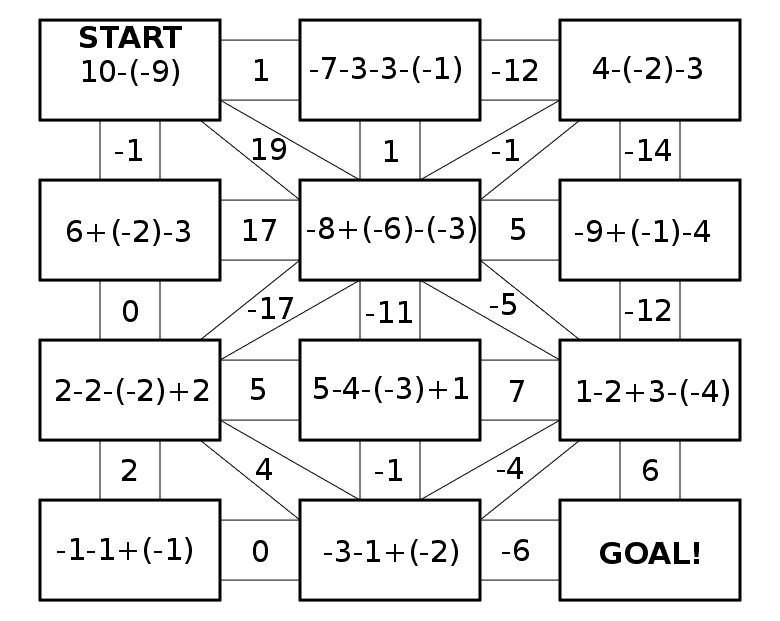
Math Maze

Specialty - Math Maze

Hidden message maze

Specialty - Hidden Message Maze

So these are my 5 Maze Design Decisions that Differentiate Maze Constructions with examples. I have taken the time to summarize each of the 40 maze constructions based on these 5 criteria. Check out the chart below. Yellow highlights are on things that are not typical for a particular category.

Maze Construction comparison chart

Of the 40 mazes construction types, if we select the most common type for each of the 5 most common characteristics how many maze types are included ? So this would mean a maze that:

  1. Starts at the border

  2. Has walled pathways

  3. Has an outline

  4. Is NOT conditional to solve

  5. And whose purpose is simply to reach the goal

That leaves us with 12 closely related mazes out of 40. And, if we wanted to add a 6th differentiator, the differences between these 12 mazes are generally HOW the walls/pathways are drawn. Happy maze designing !

You may also like:

I did a 3 part blog series on maze constructions if you want to design your own type of maze.

Part 1 - Starting and Ending a Maze - Speaks to the 9 most popular ways to start and stop a maze

Part 2 - Maze Path options - Explores the 12 different pathway options for a maze

Part 3 - Conditional Path options - Speaks to 11 different conditional options to add to a maze to make it more enjoyable